

Private jet charter activity in the Middle East is recovering from the disruption of the past year, but it has not returned to normal. For Singapore-based travellers who route through Dubai, the latest figures point to a market that is workable but still tight, with costs that operators say are being pushed up by fuel and war-risk insurance. This analysis sets out what has been reported, what can be verified, and what it means for anyone arranging a private jet charter in Asia.
What the latest Dubai numbers show
The head of the Middle East and North Africa Business Aviation Association says Dubai’s private aviation sector is on course to return to 2,000 monthly flight movements by the end of 2026, driven by corporate demand and continued investment. Movements reached that level in January and February, then fell once the Iran war began, before picking up again across June, July and August.
The association’s chairman was direct about timing. In his words, “We will be going back to normal before the closing of 2026.” He was also careful to say the market has not fully normalised, and that the pace of the rebound depends on easing security tensions in the region.
The weekly data is less encouraging. An industry flight-tracking data provider recorded Middle East business jet departures down 11.3% year on year, to 1,536, in the week of 19 to 25 October. Year to date, regional activity is down 14%. For a broker, that combination matters: a recovering monthly trend can sit alongside weak individual weeks, so a single good report should not drive a booking decision.
Why recovery is slower than the headline suggests
Two cost pressures stand out. A regional FBO director pointed to elevated fuel prices and war insurance premiums in some countries in the region. Neither cost is unique to Dubai, but both feed directly into what an operator will quote for a Singapore-origin leg that touches the Gulf.
Aircraft positioning is the second issue. Earlier in the crisis, one large FBO operator kept its two Dubai FBOs open, while reporting that multiple aircraft had been moved out of Gulf states and many others were stranded. Where aircraft have been moved away, fewer are positioned for quick turns. Our view is that this makes lead time more important than usual for Middle East legs, particularly those that depend on a specific airframe type.
Which Dubai airport and FBO should you ask about?
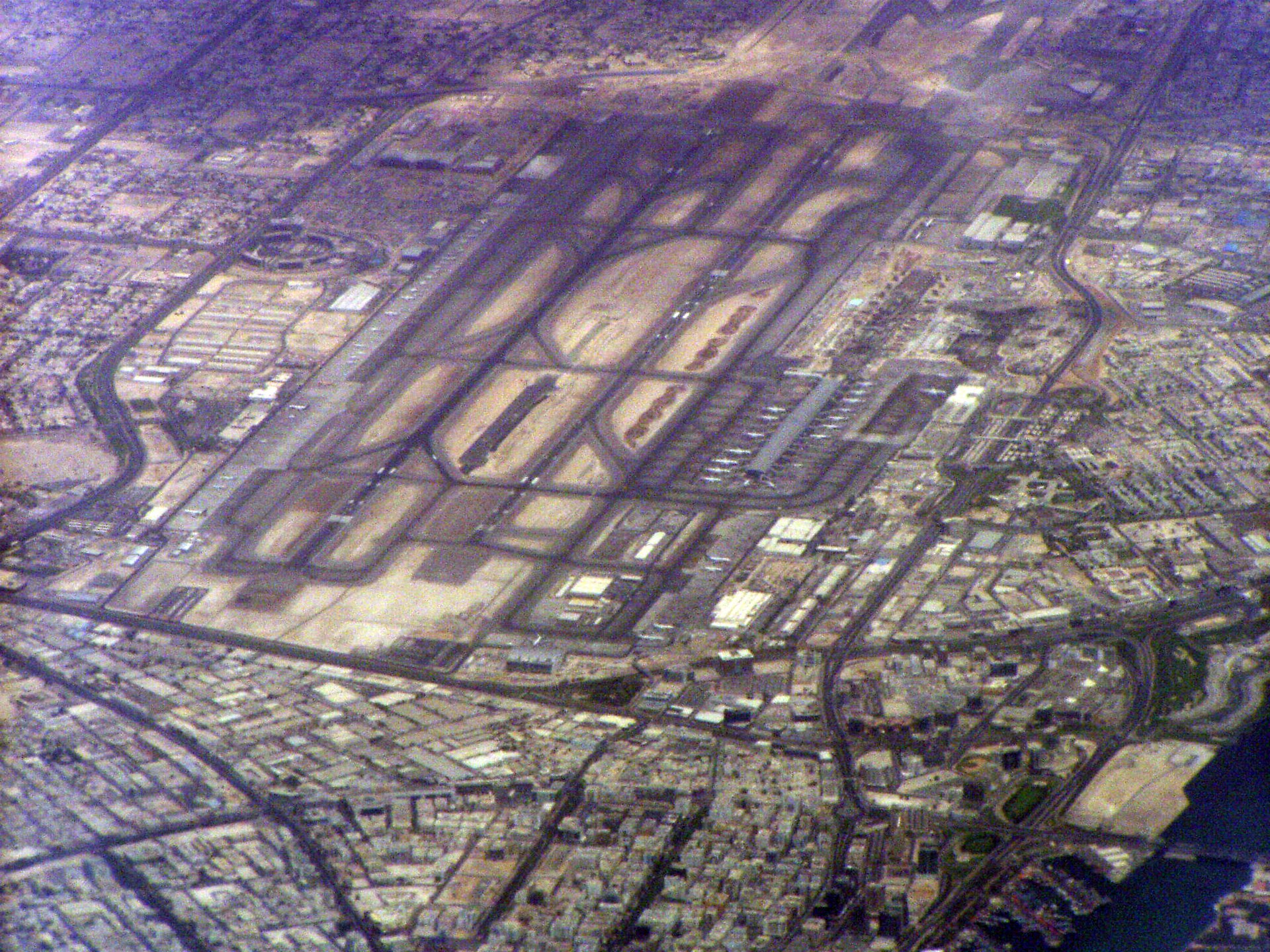
Dubai’s business aviation traffic is split across two fields, and the split is shifting. One regional FBO operator says it handles about 40% of total business jet movements into Dubai when both airports are counted. The same operator also says its share at Al Maktoum International (OMDW) has grown sharply since late 2023, and that the migration away from Dubai International has accelerated over the past two years.
The largest share of movements at OMDW has historically gone to a single large FBO operator, according to the same trade coverage, and other FBO operators compete on that field. The practical point for you is simple. Do not assume the FBO your operator uses is the one you will see on a previous itinerary. Ask which field and which FBO will handle your arrival, and whether the aircraft is based there.
What this means for private jet charter Singapore to Dubai bookings
Our route guide for Singapore to Dubai covers range and airport choice in detail. The news points to four adjustments when you book now.
- Ask for an itemised quote. Request separate lines for fuel, any war-risk or insurance surcharge, handling and overflight. If an operator cannot break these out, treat the quote as provisional.
- Book earlier for Gulf legs. With aircraft positioning still uneven, we would give Middle East segments a longer lead time than a comparable Southeast Asia route, especially on dates that coincide with regional events.
- Confirm the field and handling agent in writing. A change from OMDW to DXB, or the reverse, can alter ground transport time and the handling schedule.
- Watch for repositioning flights. When demand softens in a particular week, operators sometimes release empty legs at short notice. These are not guaranteed, so check the live list at Athena’s empty legs page rather than waiting for them to appear.
The Asia-Pacific angle: Sydney’s new airport
The Middle East story is not the only capacity change in the region this month. Western Sydney International (Nancy-Bird Walton) Airport began passenger operations on 25 October 2026, after cargo operations started in July. The first international arrival, from Auckland, followed the next day.
The airport is 24-hour and curfew-free, which matters because Sydney Airport operates under a legislated curfew and flight caps. Singapore Airlines is scheduled to start daily Changi services to the new airport on 23 November, using late-night departure windows that the curfew-free schedule allows. For private jet charter, more terminal capacity and flexible hours could ease pressure on Sydney slots over time. However, the sources I reviewed do not confirm the business aviation facilities at WSI, so confirm handling before you plan a Sydney departure there. Our Singapore to Sydney route guide covers the current options for Sydney arrivals.
Questions to ask your operator before you confirm
- Which aircraft is being positioned for my flight, and where is it based today?
- Is the quote inclusive of fuel, insurance and any region-specific surcharges, and can you show each line?
- Which airport and FBO will handle the Dubai leg, and what is the expected slot or ground time?
- If the aircraft is replaced, what is the substitution process and does the price change?
- Does the quote include crew positioning or repositioning costs that might appear later?
For a wider view of Asia-Pacific availability, the Athena journal tracks related market movements. If you are weighing a Gulf trip against a Southeast Asia alternative, send your dates and we will show you the realistic options.
Our 24/7 desk can review your dates, airports and aircraft choices against current availability. Call +65 9366 4327 or email charter@athenajets.com, and ask for an itemised quote, with the Dubai leg priced separately if that helps your planning. There is no obligation to book.
Frequently asked questions
How many private jet flights does Dubai handle each month?
The Middle East and North Africa Business Aviation Association says Dubai is on course to return to about 2,000 monthly flight movements by the end of 2026. Movements reached that level in January and February, fell after the Iran war began, and then recovered over the summer. These are industry estimates from the association, not audited totals, so treat them as a trend rather than a precise count.
Which Dubai airports serve business jets?
Business aviation in Dubai is split between Dubai International and Al Maktoum International (OMDW). One regional FBO operator says it handles about 40% of total business jet movements into Dubai across both airports. Its share at Al Maktoum has grown, reflecting a shift away from Dubai International. Ask your operator which field and FBO will handle your arrival before you confirm.
Why are private jet charter costs to the Middle East higher?
A regional FBO director pointed to elevated fuel prices and war insurance premiums in some countries in the region. These costs can feed into operator quotes for legs that touch the Gulf. Request an itemised quote that separates fuel, insurance, handling and overflight charges, so you can compare operators on a like-for-like basis.
Is Western Sydney International Airport open to passengers?
Yes. Western Sydney International (Nancy-Bird Walton) Airport began passenger operations on 25 October 2026, with a Jetstar flight to the Gold Coast. Air New Zealand operated the first international arrival from Auckland the following day. The airport is 24-hour and curfew-free. Confirm business aviation handling with your operator before planning a departure there.