

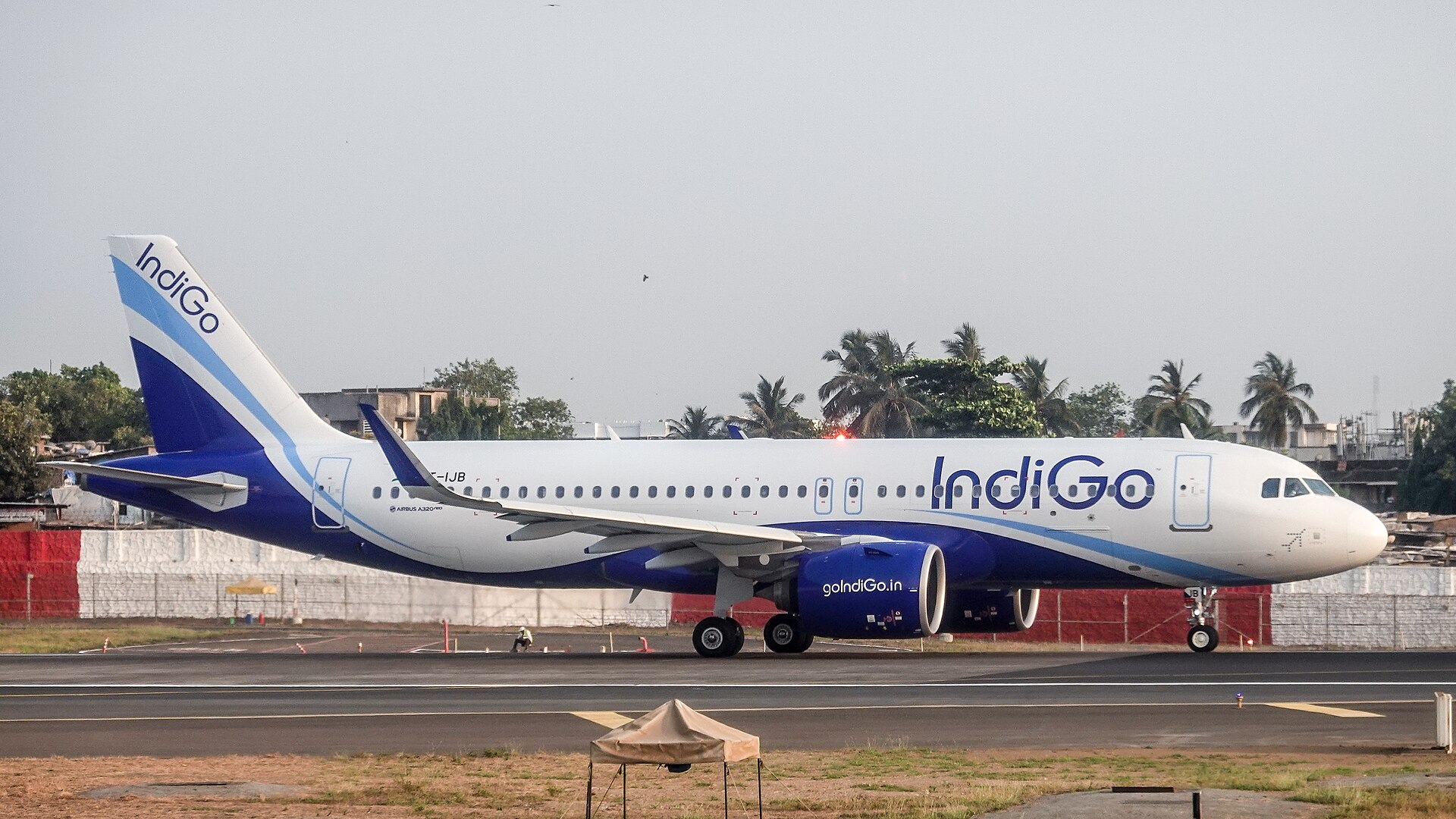
India will allow fractional aircraft ownership and third-party aircraft management from 1 January 2027, under a new set of aviation rules. For anyone planning a private jet charter India trip from Singapore, the change will not add seats overnight, but it should, over the next few years, widen the pool of professionally managed aircraft and make the Indian market easier to price and plan around. Below is what the rules say so far, what is still unsettled, and how to plan a trip now.
What India has changed and when it starts
The reform sits inside the 2026 India Aircraft Rules, which are replacing the 1937 Aircraft Rules. Under the new framework, aircraft can carry joint or third-party ownership, a model that was previously difficult to set up in the country. The start date is 1 January 2027, which gives brokers, operators and owners roughly seven weeks of notice after this article is published.
The detailed procedures will come later. A draft Civil Aviation Requirement is expected on the DGCA website for industry comment in about a month, with the final amended text to follow within about three months. Until that document is published, the practical rules for who can manage a fleet and how operations are supervised remain provisional.
The model is drawn from the FAA's Part 91 Subpart K approach used in the United States. In that structure, the management company acts as the link between the fractional owners and the regulator. Under Rule 188 of the 2026 rules, aircraft with several legal owners can be run through such a management provider, or through a dry-lease arrangement. An existing non-scheduled operator permit holder could also take on the management role.
Why this matters for charter availability
India's charter sector is fragmented. Data cited by the industry shows 122 non-scheduled operator permit holders flying 433 aircraft in 2025, and most of those permit holders run fleets of three aircraft or fewer. A small operator can be a perfectly good choice, but it also means aircraft availability can be thin on peak days and for larger cabins. Analysts expect the new framework to consolidate that base and lift utilisation, which should help clients who need a reliable aircraft at short notice.
Demand is the other side of the equation. A 2026 wealth report cited in the same coverage counts ultra-high-net-worth individuals in India, those with at least US$30 million in net worth, at close to 20,000, up 63% between 2021 and 2026. The same report projects a further 27% rise by 2031. A larger owner base for aircraft is likely to follow, although the report does not link those numbers to aviation spending directly.
An industry commentary from the Indian market puts the timing more cautiously. Attendees at one industry event expected third-party management rules to be in place by the end of 2027, and most expected between 300 and 400 business jets to be registered in India by 2030. Treat those figures as industry expectation rather than confirmed policy.
A step-by-step watch list before January 2027
- Monitor the DGCA draft. Once the draft Civil Aviation Requirement is posted, read the sections on management providers and multi-owner operations. These decide who can legally sign for an aircraft.
- Check the final text. The amended requirement is due within about three months of the draft. Ask any Indian operator whether it intends to apply for a management role or stays as a charter-only permit holder.
- Confirm the permit on each trip. Until the new rules bed in, ask for the operator's Indian permit reference, the aircraft's registration status and its insurance certificate for the specific flight.
- Book early around the transition. Operators reorganising ownership and management structures can change aircraft and crew availability at short notice. A firm booking reduces that exposure.
Comparing charter, fractional and ownership for India trips
For most Singapore-based clients, the decision is still whether to use on-demand charter, a jet card or a fractional share. The table below sets out how the three routes compare for trips into India, using Athena's guide prices for on-demand charter. Fractional and ownership costs vary widely and should be quoted case by case.
| Option | Best suited to | Cost basis | Main watch-out |
|---|---|---|---|
| On-demand charter | One-off or occasional trips, flexible dates | Athena guide prices: Super-Midsize from about US$8,500 per flight hour; Heavy Jet from about US$11,500 | Aircraft availability can tighten when the Indian fleet is stretched |
| Jet card | Regular travellers who want a set rate and priority access | Prepaid hours at jet card rates; see the pricing section on the site | Check how fuel and positioning are billed against the card balance |
| Fractional share | Frequent flyers with predictable routes | Entry fee plus monthly and hourly charges; quote required | Rules for third-party management in India are not yet final |
How much does a private jet charter India trip cost?
Athena's guide prices start at about US$5,800 per flight hour for a Light Jet and about US$7,200 for a Midsize Jet, rising to about US$14,200 for an Ultra-Long Range aircraft. For a Singapore to India round trip, multiply flight hours by the hourly rate and by the number of legs. The total also has to include positioning, overnight crew, landing and handling fees, and taxes, which can apply in India.
As an illustration only, assume a Super-Midsize jet flies about five hours each way. That gives five hours, times US$8,500, times two legs, or US$85,000 before the extras above. Your own flight time will differ by route and aircraft, so run the numbers on the private jet cost calculator for an instant estimate before you commit.
Fuel is the main reason prices have moved. The IATA fuel outlook forecasts an average jet fuel price of US$152 per barrel in 2026, almost 70% higher than in 2025. In business aviation, fuel can account for a large share of operating cost, and one industry analysis puts it at 35–45% of private jet operating costs. US fuel survey data shows prices rising for four consecutive months through October, which suggests quotes issued now may carry more fuel exposure than those from earlier in the year.
What to ask your broker before you book
Whatever the regulatory timetable, a few questions protect your budget and your schedule:
- Is the fuel price fixed in the quote, or is it a variable charge billed at the time of flight?
- Does the quote include positioning from the aircraft's base, and what are the overnight crew charges if you stay in India?
- Which Indian permit covers this flight, and can it be shared before you pay a deposit?
- Can the aircraft be swapped if the first choice is unavailable, and at what price?
If your dates are flexible, check the live empty legs. A one-way repositioning flight can cut the cost of a leg substantially, though availability depends on where the aircraft needs to go next.
Route planning: Mumbai and New Delhi
Most Singapore-originated India trips fall into two patterns: a business trip to the financial capital, or an official or family visit to the national capital region. Mumbai and New Delhi have different slot and handling profiles, so compare the airport options before you lock in an aircraft. For Mumbai, see the Singapore to Mumbai route guide. For the capital, see the Singapore to New Delhi route guide. If you are weighing a fixed-fee review of permits and handling before committing, the Athena advisory service covers that without a flight booking.
What this means for Asian flyers
The fractional and management reform is a structural change, not a short-term price event. It should over time give Indian owners more ways to share aircraft, and give clients more operators with professional management behind them. Until the final rules are published and tested, the sensible approach is to book early, confirm permits in writing, and compare totals rather than hourly rates alone.
Athena's 24/7 desk can talk through aircraft class, permits and timing for any India or wider Asia trip. You can call +65 9366 4327, email charter@athenajets.com, or request a quote online. There is no obligation to book.
Frequently asked questions
When do India's fractional ownership rules take effect?
India will permit fractional aircraft ownership and aircraft management from 1 January 2027 under the 2026 India Aircraft Rules, which replace the 1937 Aircraft Rules. A draft Civil Aviation Requirement is expected from the DGCA for industry comment about a month after the initial announcement, and the final amended requirement is due within roughly three months after that. Operators and owners should watch the DGCA website for the draft text.
What is a non-scheduled operator permit in India?
A non-scheduled operator permit, often called an NSOP, is the authorisation that allows an Indian company to run non-scheduled air services such as charter flights. India had 122 NSOP holders operating 433 aircraft in 2025, according to DGCA data cited by industry media, and most of those holders run three aircraft or fewer. Under the new framework, an existing NSOP holder could also act as an authorised management provider.
How much does a private jet charter cost per hour from Singapore?
Athena's guide prices are a useful starting point. A Light Jet starts from about US$5,800 per flight hour, a Midsize Jet from about US$7,200, a Super-Midsize from about US$8,500, a Heavy Jet from about US$11,500 and an Ultra-Long Range aircraft from about US$14,200. Total trip cost also depends on positioning, overnight crew, landing and handling fees, and taxes, so use the cost calculator for a trip-specific estimate.
Why are private jet charter prices rising in Asia?
Fuel is the main driver. IATA forecasts an average jet fuel price of US$152 per barrel for 2026, almost 70% higher than 2025, and fuel can make up a large share of private jet operating costs. Quotes issued earlier may carry variable fuel charges, so it is worth asking whether the fuel element is fixed or billed at the time of flight before you commit to a booking.
Is a fractional share better than on-demand charter for India trips?
It depends on how often you fly and how predictable your routes are. On-demand charter suits occasional trips and flexible dates, with no entry fee. Fractional shares tend to suit frequent travellers on predictable routes. Because India's third-party management rules are not yet final, clients considering fractional access should confirm how the aircraft will be managed and permitted before signing any agreement.