

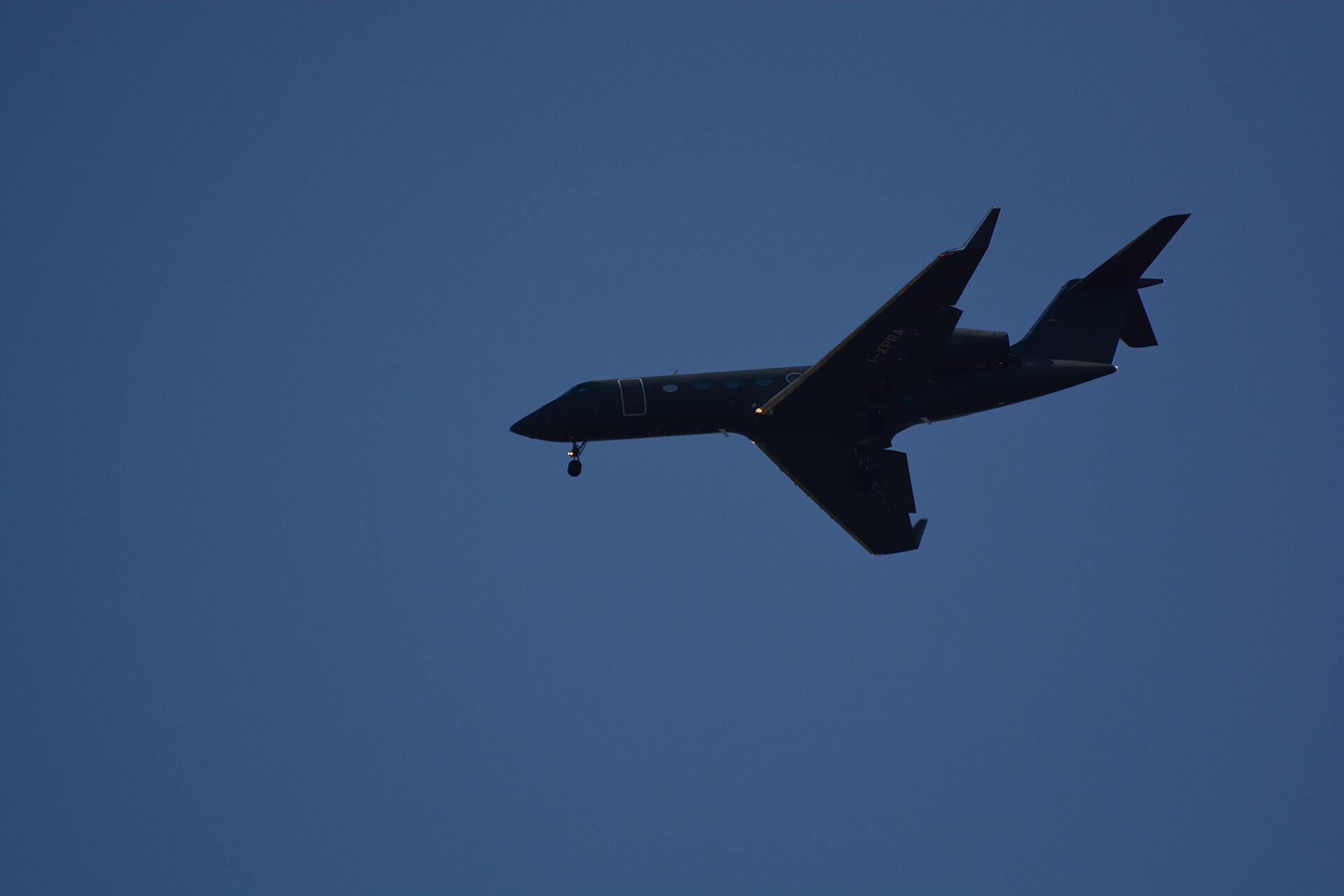
Private jet charter Singapore permits come down to one question: is the operator, and the exact aircraft, authorised to carry paying passengers into or within Singapore? For an overseas operator, that answer rests on a Singapore-issued Foreign Operator's Permit, a flight-by-flight Air Transport permit and a landing slot at Changi or Seletar. Check all three before you pay a deposit, because the paperwork sits with the operator and gaps usually surface on the day you are meant to depart.
Private Jet Charter Singapore Permits: The Four Checks That Matter
- Operator permit: confirm a Foreign Operator's Permit covers the operator and the specific tail number you will fly.
- Flight permit: confirm an Air Transport permit has been applied for this exact movement, including any return leg.
- Slot: confirm slot approval for Changi or Seletar, not just a requested departure time.
- Verification: cross-check the operator's certificate against the public registers your home-country regulator publishes.
What the Foreign Operator's Permit Singapore Requires
Singapore's permit regime has moved from a certificate-only model to a dual system. Foreign operators now need a permit issued by the Civil Aviation Authority of Singapore (CAAS) on top of the AOC or similar approval from their own state. The stated purpose is to curb illegal charter in the region, and operators have reported more ramp checks as a result.
Many clients assume a trip labelled private sits outside this regime. It does not, at least when an AOC holder flies a jet that appears on its operations specifications. Under CAAS guidance, that flight is still treated as part of a commercial operation, so the permit applies even when no fare is paid in the usual sense.
The application is documentary. The operator must hold a foreign AOC or equivalent, submit operations specifications in ICAO format, and supply registration, airworthiness, noise, maintenance release and insurance papers for each aircraft it wants covered. The regulations also require the application to list every aircraft to be covered, and to reach CAAS at least 28 days before the first operation. A permit covers only the aircraft named on it, and using an aircraft outside the permit can attract a penalty of up to $15,000 per flight.
Processing is not instant. The flightSG portal quotes up to four weeks for a new permit where no safety questions arise, which is a long lead time for a trip you have only just planned.
Air Transport Permits, Slots and Urgent Flights
A foreign operator needs an Air Transport (AT) permit for each non-scheduled flight, so a round trip can require more than one application. Under the Air Navigation rules, a permit should be applied for at least three whole working days before the first flight, and applications received at least 24 hours ahead can be considered for an express permit.
Slots are separate. All flights to Changi or Seletar need slot approval before they operate, and for Seletar the non-scheduled and private submissions go to the Seletar schedules facilitator. The submission window opens no earlier than seven calendar days before the flight and closes at 2200 local time on the day before.
For urgent flights booked less than 24 hours out, the procedure is more involved, and CAAS asks operators to call its duty officer after lodging the AT permit application. Build that buffer into your schedule if a client is travelling at short notice.
Seletar Business Aviation: Hours, Curfew and Approach Rules
Seletar is Singapore's general aviation airport and is used mainly for chartered flights, private operations and training. The airport is currently open for arrivals and departures from 07:00 to 22:00 local time, so an evening arrival after 22:00 needs a fallback at Changi. Seletar's ICAO code is WSSL.
Older industry reporting describes a noise-abatement night curfew from 10 pm to 7 am and a designation as a schedules-facilitated airport, where operators must advise their intended movements and access can be refused if the field is busy. Confirm these conditions against current NOTAMs. Industry coverage has also described a long-running dispute over the northern approach to Runway 21, which overflies part of Malaysia, so expect procedure changes to surface through NOTAMs rather than a published schedule.
When you request a Seletar slot, ask the operator for three things: the slot reference, the arrival time window, and whether they have a Changi alternate lodged in case the slot is lost.
Landing Permits for Private Aircraft: Where the Private Rule Stops
Singapore also issues a special landing permit for private aircraft under the aerodrome fees order. The permit costs a fixed fee for owners of private aircraft up to 7,000 kg taxi-weight, and it is exempt from landing fees at government aerodromes. The catch is that an aircraft holding this permit may not carry passengers or goods for hire or reward. A private landing permit therefore does not make a charter legal, and any operator suggesting it does is a warning sign.
If the aircraft lacks a valid Certificate of Airworthiness, a Permit to Fly is needed. A Permit to Fly does not allow fare-paying passengers, and each permit carries a QR code for verification of authenticity.
How to Verify an Aircraft Is Legally Chartered
- Ask for the AOC and operations specifications. Operators must hold a foreign AOC or aerial-work certificate, and the operations specifications should show approved areas of operation for the aircraft type. Check the tail number is named, not just the type.
- Ask for the Foreign Operator's Permit and its aircraft schedule. The permit must name each aircraft it covers, so the registration on your quote should match the list.
- Check the home-country public register. The FAA has published a searchable list of certificated Part 135 operators and aircraft for US operators. European operators can be checked against the EASA list of operators holding an AOC.
- Watch for operators advertising charter under private rules. Regulators have flagged operators who sell charter while flying under Part 91, the rules for non-commercial flights, which carry fewer requirements.
- Use the QR check where available. If a Singapore Permit to Fly is part of the aircraft's paperwork, its QR code can be used to confirm it is genuine.
Expect legitimate operators to provide these documents without fuss. Singapore's rules require a permit holder to facilitate ramp inspections and produce records on request, so an operator reluctant to share a permit reference is unlikely to be ready for an inspection on arrival.
Private Jet Charter Asia: Aircraft Choice and Indicative Cost
Permits do not change the hourly rate, but they add lead time and can dictate which aircraft is practical. Athena's indicative guide prices for a single flight hour are below. Positioning, overnight crew, landing and handling fees and taxes can apply on top.
| Class | Example aircraft | Passengers | Approx. range | Guide price from |
|---|---|---|---|---|
| Light Jet | Citation CJ4, Phenom 300E | 6–7 | ~1,900 nm | US$5,800 per flight hour |
| Midsize Jet | Praetor 500, Citation Latitude | 7–9 | ~2,500 nm | US$7,200 per flight hour |
| Super-Midsize | Challenger 350, Praetor 600 | 8–10 | ~3,200 nm | US$8,500 per flight hour |
| Heavy Jet | Falcon 2000LXS, Gulfstream G450 | 10–14 | ~4,300 nm | US$11,500 per flight hour |
| Ultra-Long Range | Global 7500, Gulfstream G650 | 12–16 | ~7,000 nm | US$14,200 per flight hour |
As a worked example, assume a 2.5-hour leg for illustration only, not a quoted block time. A super-midsize jet on a return trip (two legs) would be 2.5 × US$8,500 × 2, or about US$42,500 before positioning, handling and taxes. The same trip on a light jet would start near US$29,000. Use the private jet cost calculator for a figure matched to your route and passenger count.
Choose the aircraft class around the permit timetable as well as the passenger count. A heavier jet that needs a longer range may trigger a fuller document check, so ask the operator for the permit status before settling on a type.
Empty Leg Singapore: Do the Permit Rules Still Apply?
Yes. An empty leg is a repositioning flight that an operator sells as a seat or charter, so the same foreign operator's permit and AT permit requirements apply. The benefit of an empty leg is price, not a shortcut through paperwork. Because empty legs often appear at short notice, the permit and slot checks matter more, not less. Browse live options on the empty legs page, and confirm the permit status before you commit.
Routing Advice for Singapore Flyers
Short regional hops from Singapore are where permit paperwork is most often rushed. For a Bali trip into Denpasar (DPS), check the Singapore to Bali route guide for airport-specific notes. For North Asia, see the Singapore to Hong Kong route guide. If you are building a multi-stop itinerary across borders, the fixed-fee advisory service can review the permit sequence before you book.
Athena's desk is available 24/7 on +65 9366 4327 or at charter@athenajets.com if you want the permit status for a specific Singapore movement checked before you commit. There is no obligation, and the desk can also run a quote through the booking request form.
Frequently asked questions
Does a private jet flying into Singapore need a Foreign Operator's Permit?
An overseas operator flying commercial air transport into or within Singapore needs a CAAS Foreign Operator's Permit in addition to its home-country AOC. CAAS guidance treats a flight by an AOC holder on a listed aircraft as part of a commercial operation, even when it is described as private. Each aircraft must be named on the permit, and an Air Transport permit is also required for each non-scheduled flight.
How long does a Foreign Operator's Permit take in Singapore?
The application must reach CAAS at least 28 days before the first operation. The flightSG portal quotes processing of up to four weeks for a new permit where no safety questions arise. Variations that add an aircraft are processed faster. Because of this lead time, operators should be asked for permit status at the quotation stage rather than a week before departure.
Can a private jet land at Seletar without slot approval?
No. All flights operating to Changi or Seletar require slot approval before they operate in Singapore. Non-scheduled and private flights at Seletar apply through the Seletar schedules facilitator within a submission window that opens up to seven days before the flight and closes at 2200 local time the day before. Urgent flights outside that window need extra notifications to CAAS and Changi Airport Group.
How can I check that a charter aircraft is legally authorised?
Ask the operator for its AOC, its operations specifications showing the tail number, and its Singapore Foreign Operator's Permit reference. Then check the home-country public register: the FAA's Safe Air Charter list covers US Part 135 operators, and EASA publishes a list of operators holding an AOC. Treat any operator that markets charter while relying on private-flight rules as a red flag.
How much does a private jet charter from Singapore cost?
Athena's indicative guide prices start at about US$5,800 per flight hour for a light jet and about US$8,500 for a super-midsize jet. A 2.5-hour return trip on a super-midsize jet would total roughly US$42,500 before positioning, overnight crew, handling fees and taxes. Use the cost calculator on the Athena Jets site for an estimate matched to your route and passenger count.
Sources
- Civil Aviation Authority of Singapore – Foreign air operator
- Civil Aviation Authority of Singapore – Foreign Operator's Permit (AC 129-3-1(0))
- Civil Aviation Authority of Singapore – Air Navigation (129 — Foreign Operator's Permit) Regulations 2026
- Civil Aviation Authority of Singapore – flightSG
- NBAA – Operators to Singapore Encouraged to Plan Ahead to Meet Revised Requirements
- Singapore Statutes Online – Air Navigation (Paya Lebar and Tengah Aerodrome Fees) Order
- Civil Aviation Authority of Singapore – Permit to fly within Singapore airspace
- AIP Singapore – GEN 1.2 Entry, Transit and Departure of Aircraft (valid from 22 JAN 2026)
- Wikipedia – Seletar Airport
- NBAA – Business Aviation Caught in Seletar Approach Path Dispute